



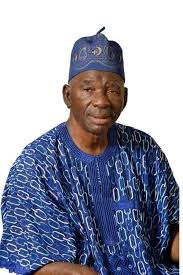
Fresh signals over the 2027 Lagos governorship race have emerged after the Chairman of the Governance Advisory Council (GAC), Tajudeen Olusi, publicly hinted at Obafemi Hamzat as a potential successor to Governor Babajide Sanwo-Olu.
Olusi, a longstanding ally of President Bola Tinubu, made the remarks on Wednesday during the General Assembly of Indigenous Associations in Lagos State, hosted by the IBILE Eko Summit Foundation at the MUSON Centre, Onikan.
Speaking at the summit themed “Addressing Urbanization and Urban Challenges of Lagos State,” Olusi repeatedly referred to Hamzat as the “incoming Governor of Lagos,” a comment that quickly drew attention from political stakeholders and observers.
Elite Signals and Political Undertones
The remarks, delivered in a high-profile gathering of political leaders, traditional rulers, and stakeholders, are being interpreted as a strong indicator of elite consensus-building within Lagos’ political structure ahead of the 2027 elections.
Adding to the symbolism, former governor and ex-Minister of Works and Housing, Babatunde Fashola, was seated beside Hamzat during the event—an optics many observers считают significant in the state’s succession politics.
Olusi also emphasized Hamzat’s indigenous roots, describing him as a “son of the soil” and referencing his ties to Egbe, reinforcing narratives around local identity and political legitimacy.
APC Dynamics and Consensus Politics
Within the All Progressives Congress (APC), conversations around succession have intensified, with Hamzat increasingly seen as a leading contender for the party’s ticket.
Although the deputy governor has not formally declared his candidacy, his recent consultations with GAC members and key stakeholders suggest a strategic move toward securing party backing.
In a recent statement, Hamzat confirmed engaging with party leaders:
“We had honest, thoughtful conversations about the future of Lagos and the kind of leadership it requires.”
Sources indicate that his ambition is receiving strong backing from influential blocs, including the Justice Forum, a political structure with deep roots in Lagos politics and historical ties to his family.
Growing Momentum and Strategic Alignments
Support for Hamzat appears to be gaining momentum across key political actors. Reports suggest that Governor Sanwo-Olu has also endorsed his deputy, describing him as “the right man for the job.”
Additionally, prominent APC figures, including party chairman Cornelius Ojelabi and members of the GAC, are believed to be aligning behind a consensus arrangement.
Political mobilization has already begun, with allies such as James Faleke reportedly rallying support ahead of party primaries.
Governance Experience as a Selling Point
Hamzat, an engineer and seasoned administrator, has served as Deputy Governor since 2019 and boasts over two decades of experience in public service.
His career spans roles as commissioner during the Tinubu administration and strategic involvement under Fashola at both state and federal levels—credentials his supporters argue position him as a continuity candidate.
Urbanisation Debate and Policy Direction
Beyond politics, the summit also focused on Lagos’ urbanisation challenges.
Representing Governor Sanwo-Olu, Hamzat emphasized the need for inclusive development, noting that urbanisation must reflect the voices of indigenous communities.
He highlighted key infrastructure projects, including the Red Line Rail in Ikeja, the Imota Rice Mill in Ikorodu, and ongoing housing and healthcare initiatives.
In his keynote address, Fashola called for reforms in housing, transportation, and data-driven governance, stressing the importance of planning in managing Lagos’ rapid growth.
What It Means for Lagos 2027
While the official race is yet to begin, Olusi’s remarks are widely seen as a significant moment in Lagos politics—where elite endorsement often shapes electoral outcomes.
With consultations ongoing and alignments forming, the 2027 governorship contest is gradually taking shape, with Hamzat emerging as a central figure in what could become a consensus-driven succession within the APC.